

You are a business owner, not a digital marketing professor. When web agencies start throwing around acronyms like SEO, SEA, PPC, and ROI, it is completely normal to want to tune them out.
At the end of the day, you only really care about one thing: How do I get more people to call my phone, book my services, or walk through my front door?
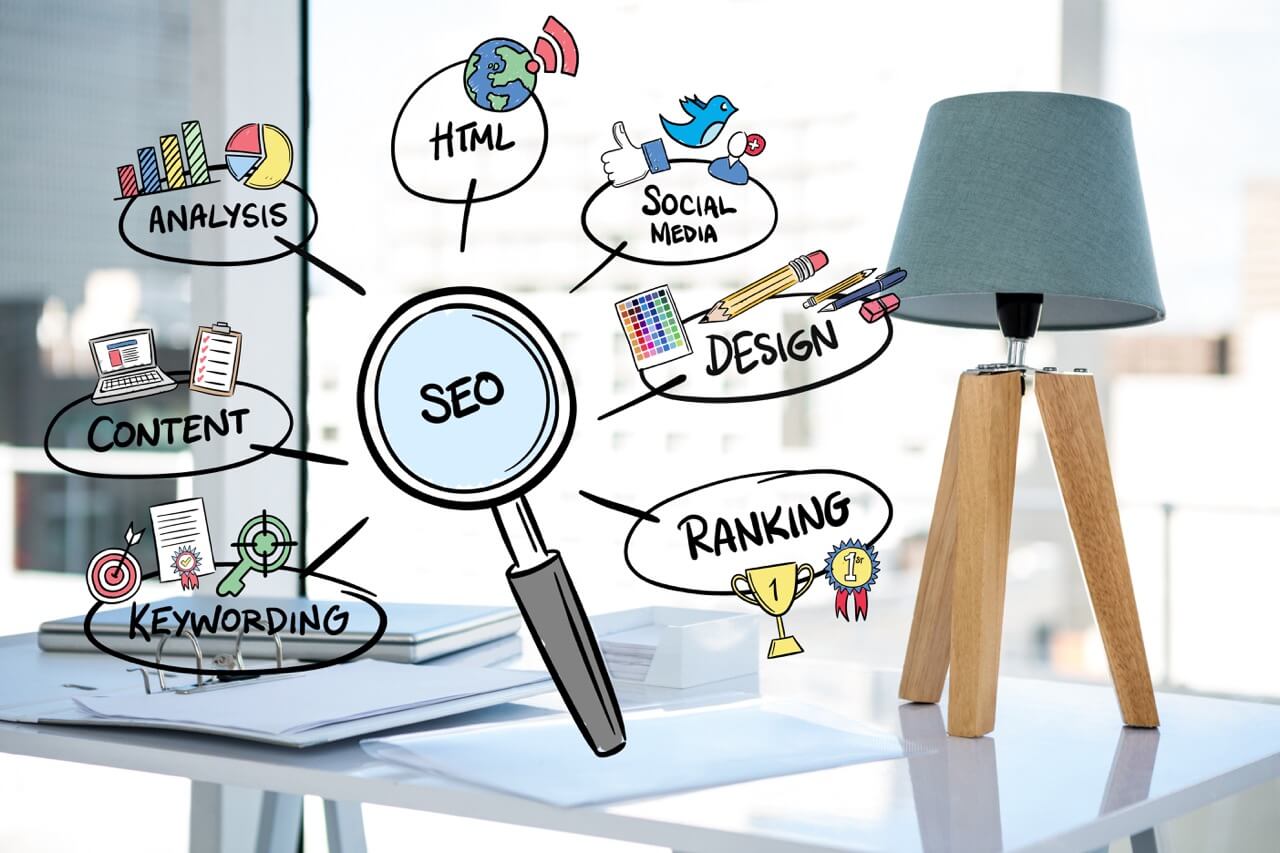
When it comes to getting found on Google, there are two main paths: SEO (Search Engine Optimization) and SEA (Search Engine Advertising). Let’s skip the tech-speak and break down exactly what they are, how they work, and which one your business actually needs.
SEA (Search Engine Advertising): The Expensive Sprint
When you search for a service on Google—like “emergency plumber in Paris”—the very first results you see at the top usually have the word “Sponsored” or “Ad” next to them. That is SEA.
- How it works: You pay Google to put your website at the very top of the page immediately. Every time someone clicks your link, you pay a fee (this is why it’s also called Pay-Per-Click, or PPC).
- The Pros: It is instant. If you open a new restaurant on a Tuesday, you can be at the top of Google by Wednesday morning. It’s fantastic for launching special promotions or filling your schedule fast.
- The Cons: It can get expensive quickly. More importantly, the second you stop paying Google, your website instantly disappears from the top spots.
- The Analogy: SEA is like renting a billboard in the center of town. It gets you great visibility right now, but you don’t own the space.
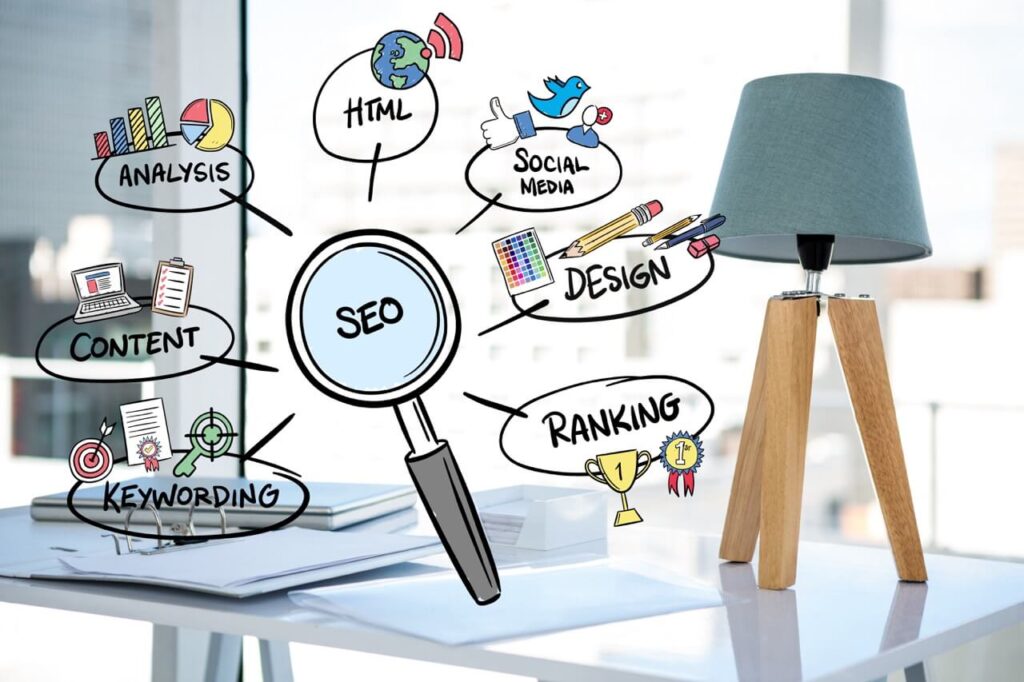
SEO (Search Engine Optimization): The Profitable Marathon
Scroll past those paid ads, and you’ll find the “organic” results—including the Google Maps listings and the regular website links. Getting your website to show up here is SEO.
- How it works: You structure your website, write great content, and build local trust so that Google wants to show your business first because you are the best answer to the customer’s search.
- The Pros: The clicks are 100% free. Once you reach the top of the first page, you get a continuous stream of customers without paying a daily budget. Customers also trust organic results much more than sponsored ads.
- The Cons: It takes time. You cannot buy your way to the top of organic SEO overnight. It takes consistent work, smart website design, and patience (usually 3 to 6 months) to see massive results.
- The Analogy: SEO is like buying your own storefront. It takes time and effort to build, but once it’s established, it is an incredibly valuable asset that you own.
The Verdict: Which one do you actually need?
The honest truth? The most successful local businesses use a smart mix of both, but it depends on your current situation:
- If you are a brand new business and need cash flow this week, start with a small SEA (Ads) campaign. It will get your phone ringing while you build your reputation.
- If you are an established business but you are tired of paying Google every time you want a new customer, you need to invest heavily in SEO. A well-optimized €500 website from Everest Web Solutions will pay for itself a hundred times over when it starts ranking organically.
The Everest Web Strategy
Don’t guess with your marketing budget. The best approach is to let the ads (SEA) generate immediate revenue, while quietly building your organic rankings (SEO) in the background. Eventually, your SEO will become so strong that you can turn the expensive ads off completely.




Leave a Reply